

Hello, I’m Veronica
The sky is not completely dark at night. Were the sky absolutely dark, one would not be able to see the silhouette of an object against the sky.


-
Refresh Cycle: Quarterly and Annually
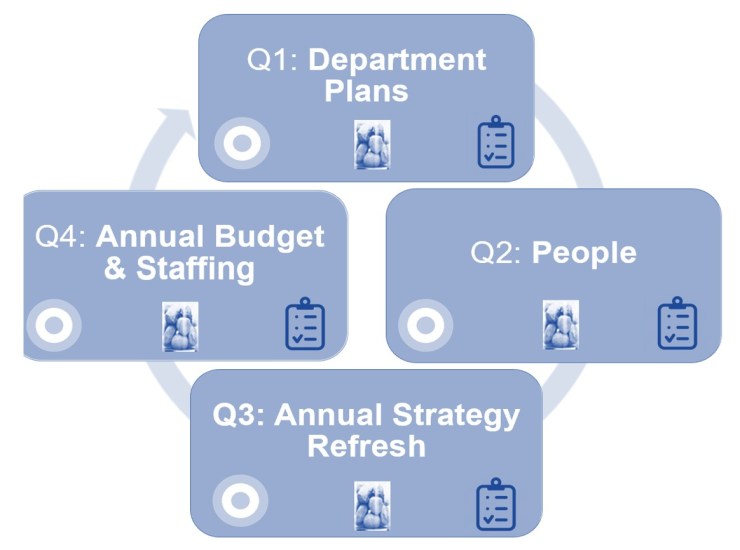
Some think of strategic planning as a one time or every 3 years exercise. In my experience, it is most beneficial to think about it as an ongoing process that has a key focus on at least a quarterly cycle.
These reviews are your chance to work on the business model as a leadership team. People are programmed in a way that makes it difficult for them to stay on plan much past three months without a need to refocus on priorities. Recurring reviews create the checkup, resetting and refresh that ensures efforts stay aligned and making progress toward your annual plan and overall business model. Most teams find quarterly is the right pace, but startups and other very agile organizations may have shorter monthly or even two week refresh iterations.
At your first meeting and annually, create your business model cheat sheet and keep it up to date. Reserve about two full days to work on the Business Model elements with your team. Pay special attention to Positioning elements.
Other quarterly strategy review meetings are more focused day long sessions where the timeframe is narrowed to 3 months or less to create near-term Goals and Rocks that support annual Initiatives and Themes. Define key results that ensure progress on a daily, weekly, and quarterly basis is contributing to deliver longer-term Themes. It should have a standing agenda similar to:
- Review last quarter’s Goals and Rocks (uncover any issues)
- Review Positioning and Strategy to renew focus
- Establish Goals and Rocks for next quarter
- Detail actions for quarter’s focus area (uncover any Issues)
- Prioritize and solve important Issues for next quarter
- Wrap-up: Summarize, Review Action Items, Rate meeting
Agenda item 4 suggests giving a specific focus area for each quarterly meeting that ensures attention on an important theme or other destinations outside of more routine operations by the team.
Your annual planning meeting is one of these key focus areas where you renew strategy and adjust for changes in environmental context.
Other quarters may have another focus area around a specific Theme. You can choose to focus on sales, product, and other major portions of your business model on a quarterly rhythm. Evaluating People and ensuring you have “the right people in the right seats” (Traction, pg 4) should be another focus area.
Q3 is when many organizations refresh strategic objectives and tune longer term plans. Finishing strategic planning efforts by October allows for those deliverables to feed into the annual planning cycle and prevents conflict between the two efforts.
A typical cycle is:
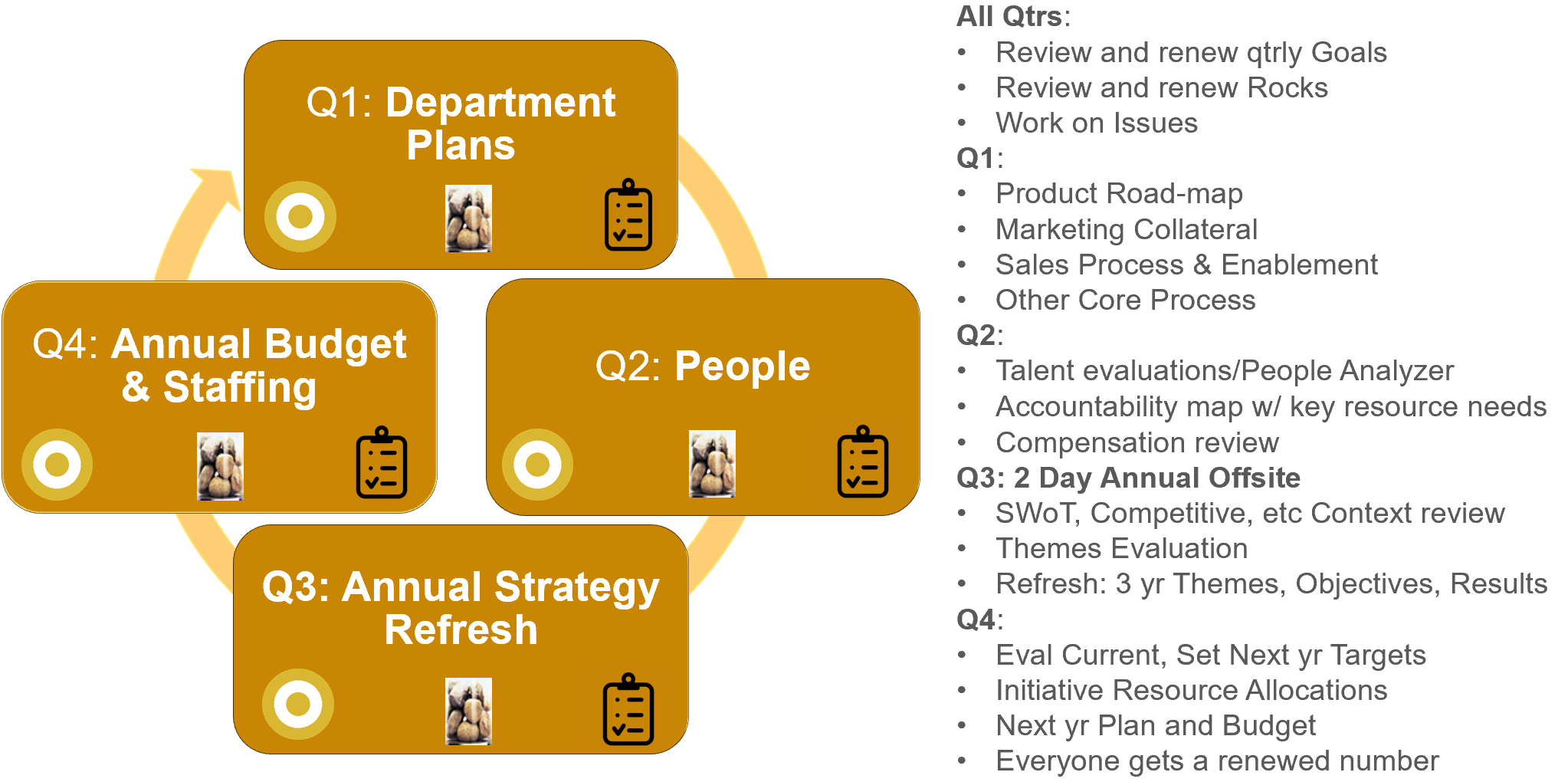
Q1 – Detail Department Plans (focus on Product Road-map and Sales Enablement)
Q2 – Talent Management (People Practices, Talent evaluations, Comp review, Org structure and key resource needs)
Q3 – Strategic Planning (3-5 yr SW-T, Themes, Outcomes, Measures, Goals, Initiatives)
Q4 – Operations Budgets and Staffing
I like to think of strategic planning as an on-going process that is evaluated and refined every quarter, with some rotating focus. Using a quarterly planning cycle (or even more frequently if your have a need to evaluate learning faster) ensures the strategy stays relevant and gets translated into execution more effectively.
-
Know these Rules to Rule SaaS
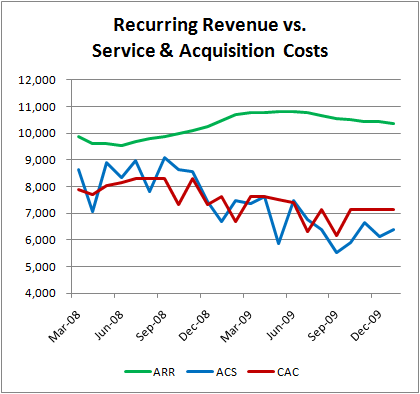
I’ve been a fan of Joe York since first getting introduced to his SaaS Rules of Thumb mathematics a few years ago. Start with SaaS Metrics Rule-of-Thumb #1 and read all 10 rules. It gets a little deep, but be sure to at least come away with the concepts and relationships. These are must knows around which to build successful software strategies and profitable businesses.
If you are familiar with his work, start anywhere in his chaotic-flow blog to continue to reap knowledge from his experience and insight.
-
It’s Time to Make Smart & Connected Part of Your Strategy

Smart Connected Products are Transforming Competition. So state Porter and Hemplemann in a recent HBR article by that title. And, you don’t have to look far to see the changes around you. Last week, I had a chance to test drive a Tesla and I challenge you to come away with any other conclusion. Upgrade to the latest release of the car’s operating system (yes, you can update it much like an app on your phone) and it will auto pilot itself through traffic following road bends, keeping pace with traffic and even change lanes when requested without driver assistance. The car is a showcase for what the article terms “The Third Wave of IT-Driven Competition.” Using embedded sensors, processors, software, and (more…)
-
Gartner Top 10 Strategic Technology Trends for 2016
Always interesting and fun to share. Here’s Gartner’s annual prediction of strategic trends shaping technology over next 4 years. Gartner groups these into three broad trends:
The first three trends address merging the physical and virtual worlds and the emergence of the digital mesh. While organizations focus on digital business today, algorithmic business is emerging. Algorithms — relationships and interconnections — define the future of business. In algorithmic business, much happens in the background in which people are not directly involved. This is enabled by smart machines, which our next three trends address. Our final four trends address the new IT reality, the new architecture and platform trends needed to support digital and algorithmic business.
See their press release for more definition and detail.

-
Agile Elements

Agile is a way of approaching business. It is about delivering value in everything. It is about always learning and always doing better. It is about creative problem solving. It is about discovery as you go and drawing on experience. It is about having enough savvy to know that no two problems are quite alike and enough experience to confidently explore differences. Agility gives us room to maneuver and grow. It is in that spirit that, my blog, Agile Elements is published.



About Me
The sky is not completely dark at night. Were the sky absolutely dark, one would not be able to see the silhouette of an object against the sky.
Follow Me On
Subscribe To My Newsletter
Subscribe for new travel stories and exclusive content.
 Horizon Line Group