

Hello, I’m Veronica
The sky is not completely dark at night. Were the sky absolutely dark, one would not be able to see the silhouette of an object against the sky.


-
Idea to Profitable Venture
I recently completed a stint as a Ninja with xGenesis. I would recommend this program to any entrepreneur that is in the beginning stages of identifying an opportunity that they want to pursue as their next focus. Tom Higley and team produce an excellent event.
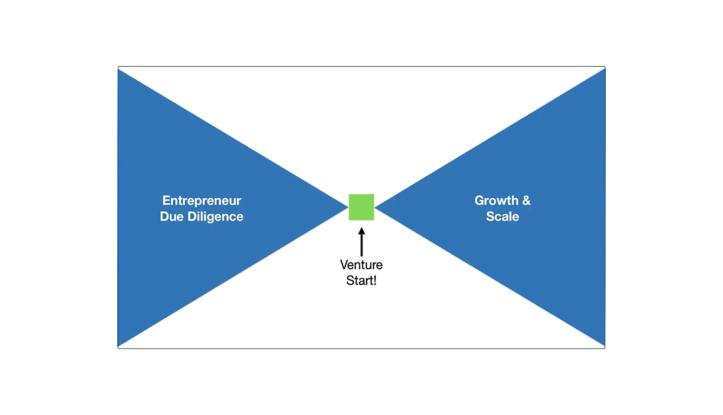
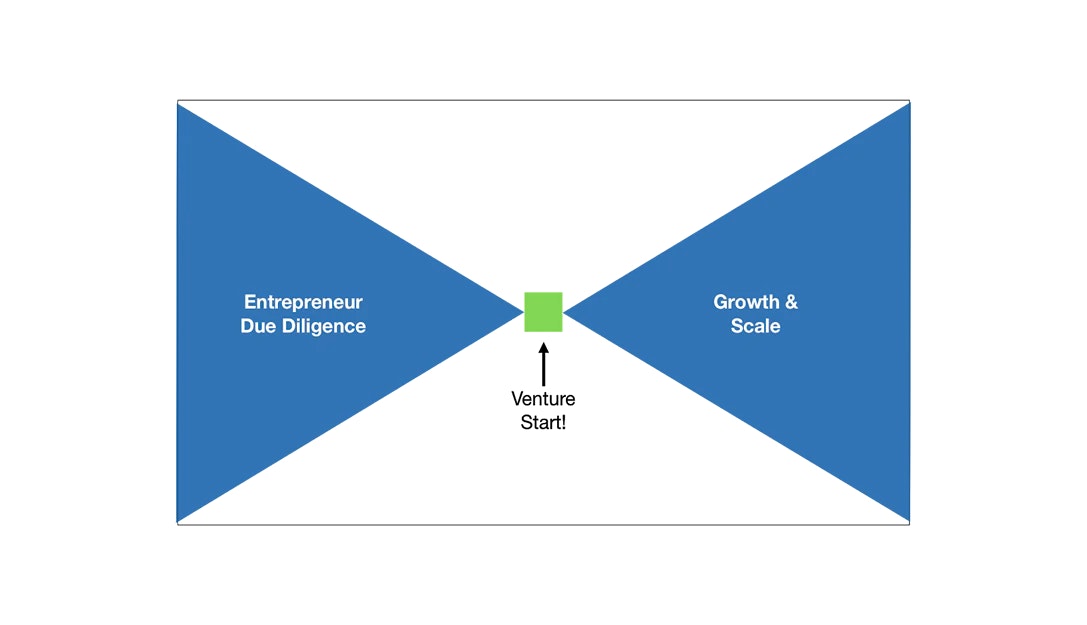
In the program, they focus on the left side of the new venture bow tie – the idea generation and evaluation time before a venture launches. At this stage, there is no need for a solution, team, paying customers, product, etc.
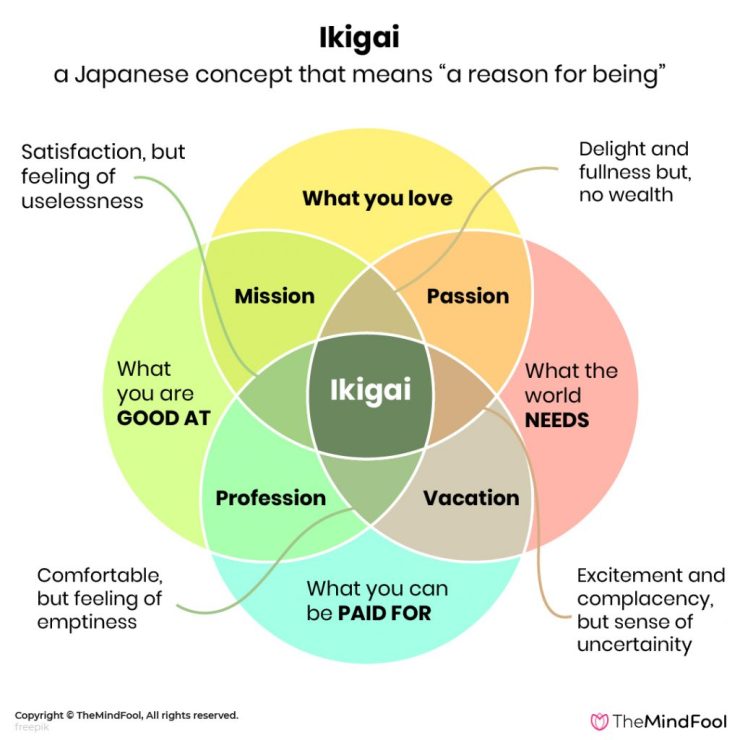
In the program, we spent a lot of time focusing on the concept of Founder Opportunity fit. This aligns founder interests and capabilities with need and value. Opportunities are powerful insights into where and how a current system or market can be changed for the better. Finding the right one for a CEO’s next venture is key to preventing false starts and burnout on a new endeavor.
This got me thinking about what other stages come between the early Founder-Opportunity fit and when a venture is ready to accelerate growth and profits. Here are some ideas I’ve been investigating. I expect there will be some iteration between these steps. I would expect that at least steps 1 and 2 should be solid before a company is started and investors get seriously pitched:
- Founder-Opportunity fit: Founders should pursue opportunities they are passionate about and good at solving and that society needs and will pay for. (based on Ikigai)
- Founder-Idea fit: Founders should work on an idea that is at the intersection of their deepest problem knowledge and their most advanced skills.
- Founder-Market fit: Founders should have the obsession, background, personality and experience to pursue their identified opportunities and markets.
- Problem-Market fit: Regardless of how solved, determine through specialist interviews, focus groups and/or prototypes, whether customers need and will pay for solving the problem.
- Is it a top priority problem for a large group of potential customers
- Is it urgent enough that they would adopt a solution now if available; have they tried to solve it themselves
- Would customers accept and get value from a solution enough to pay for it
- Product-Problem fit: Business has a core group of happy and referenceable customers using an early version of a solution that addresses the problem. (also called Solution-Problem fit)
- Working version of the product
- Initial customers use the solution
- At least some customers pay for the product
- Product-Market fit: Business is in a good market with a product that can satisfy that market.
- Adoption by a set of customers in a large market
- Repeatable, proven sales and marketing with revenue growth
- High customer satisfaction, product usage, and retention
- Path to a profitable business model
- Business Model-Market fit: Scale-up stage companies that are ready to accelerate commercial activities to grow fast.
- Scalable sales with predictable revenue and growth
- Focused go to market with identified buyer personas
- Strong customer development, success, and support specialists
- Leveraged channels to reach customers
- Able to pursue new markets and adjacent optionality in their business
What other stages of start-up growth have you identified? What are their characteristics?
- Founder-Opportunity fit: Founders should pursue opportunities they are passionate about and good at solving and that society needs and will pay for. (based on Ikigai)
-
-
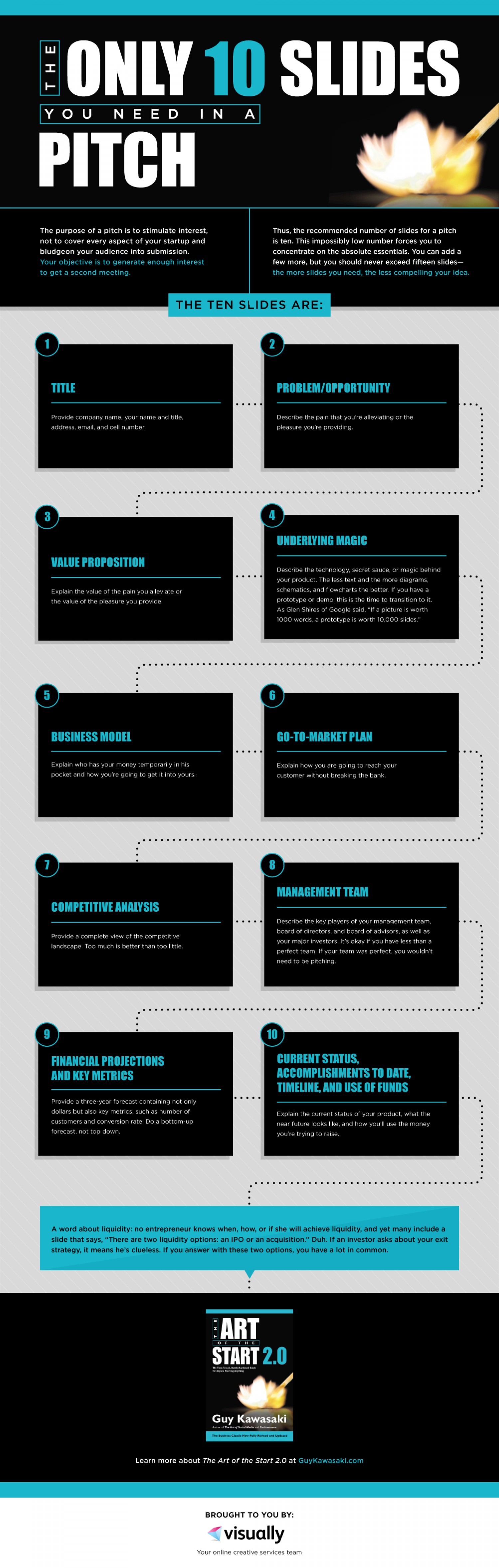
Make your Pitch the Greatest

I cannot confirm whether it’s the greatest or not (I haven’t checked them all,) but Andy Raskin on the Pocket has an excellent post titled The Greatest Sales Deck I’ve Ever Seen. In it, he details 5 elements to sequence any pitch and gives solid examples of each:
#1. Name a Big, Relevant Change in the World
#2. Show There’ll Be Winners and Losers
#3. Tease the Promised Land
#4. Introduce Features as “Magic Gifts” for Overcoming Obstacles to the Promised Land
#5. Present Evidence that You Can Make the Story Come TrueWhether your preparing to pitch your next big sales opportunity or to raise your next funding round, you will find some insightful guidance in his post.
-
The Value of Smart Mobile Apps

I recently worked with an enterprise mobile app vendor that focuses on improving field representative servicing at FMCG/CPG companies. This offers a good case study in how mobile apps add value in the enterprise. We identified three high-level categories of added value:
- Efficiency – doing more with the same or less effort. In one implementation, they found that account managers could complete two more visits per day with guidance from mobile apps.
- Additional Sales – increasing sales by having the right products at the right price at the right stores. This comes from fewer stock outs, ensuring the right product mix and having the right displays and promotions in stores for seasonal sales patterns.
- Savings – reducing the cost of running and supporting the process including training and motivating people, supporting applications, and proactively addressing potentially costly issues.
Some of the more interesting ways that mobile apps can add value in ways that were not feasible with more traditional applications are:
- Geo-fencing: GPS allows reps to spend the appropriate amount of time doing what is expected where it is expected. Algorithms can ensure the right stores get priority and can sequence and route optimize. This, coupled with retail activity optimization, gives focus to stores that will benefit most from attention. Managers and algorithms get insight into where reps spend their time and can optimize associated benefits.
- Actionable Alerts: Real time data insight can prioritize action using algorithms to suggest the right actions when they can most easily be completed. For example, it might prioritize and optimize routes for the day based on greatest need, identifying in-store tasks during a visit based on recent exceptions and pre-configuring an order by factoring in sell through information and seasonality.
- Planogram Compliance: Merchandising displays can be automatically compared to expected layouts using the mobile device’s camera and image recognition software.
- Gamification: Coaching using KPIs that award certifications for demonstrated performance and sharing relative performance rankings. Create games and contests around specific targets to motivate reps. The field force can enjoy the challenge of continuous improvement with focused feedback and can earn real-world rewards.
The confluence of Smart and Mobile is beginning to pay more value dividends and should be considered in any process improvement implementation.
-




About Me
The sky is not completely dark at night. Were the sky absolutely dark, one would not be able to see the silhouette of an object against the sky.
Follow Me On
Subscribe To My Newsletter
Subscribe for new travel stories and exclusive content.
 Horizon Line Group